|
Word Gems
exploring self-realization, sacred personhood, and full humanity
John Keats
To Autumn
return to "Poetry" main-page
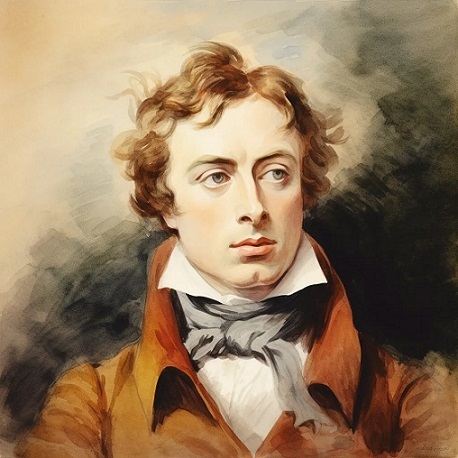
John Keats (1795-1821)
|
John Keats (1795–1821) was one of the major poets of the English Romantic movement, though his greatness was recognized only after his early death.
Born in London to a working-class family, he lost both parents while still young and was placed under the care of guardians. He trained as a surgeon and apothecary at Guy’s Hospital but ultimately chose poetry over medicine, committing himself to literature despite financial insecurity and uncertain prospects.
His early poetry was sharply criticized in influential reviews, yet in 1819 — his extraordinary “great year” — he produced the odes that secured his legacy: Ode to a Nightingale, Ode on a Grecian Urn, Ode on Melancholy, and To Autumn. These works probe the tension between permanence and change, imagination and reality, sensual beauty and human mortality. He famously articulated the idea of “negative capability,” the ability to dwell in mystery and uncertainty without forcing logical resolution — a key to understanding his poetic method.
Keats’ passionate but thwarted love for Fanny Brawne coincided with the onset of tuberculosis. In 1820 he sailed to Rome seeking recovery, but he died there in 1821 at age twenty-five. He was buried in the Protestant Cemetery with the epitaph he requested: “Here lies One Whose Name was writ in Water,” reflecting his fear of being forgotten.
That fear proved unfounded. Today, Keats is regarded as one of the supreme lyric poets in English — admired for the richness of his imagery, the musical beauty of his language, and his profound meditation on beauty, truth, transience, and the longing for permanence. (ChatGPT
|
Editor's report: Who were the Romantic Poets?
Commentary by ChatGPT herein.
How did To Autumn come to be written?
John Keats’s “To Autumn” (1820) was written during a very specific period in his life, and its creation is closely tied to both his personal circumstances and his poetic development. Here’s a thorough breakdown:
1. Timing and Location
-
Keats wrote “To Autumn” in September 1819, while living in Hampstead, London, at Wentworth Place.
-
This was a few months after he had also written some of his other major 1819 odes: “Ode to Psyche,” “Ode on a Grecian Urn,” “Ode to a Nightingale,” and “Ode on Melancholy.”
-
It was a period sometimes called his “Great Year”, when Keats produced much of his most enduring poetry.
2. Inspiration
-
The poem was inspired by the late summer/early autumn season in England, which Keats observed during his walks in the countryside around Hampstead.
-
Unlike some of his earlier odes, which focus on intense emotion, imagination, or abstract beauty, “To Autumn” is grounded in direct sensory observation—the sights, sounds, and textures of the harvest season.
-
He had a fascination with nature as a mirror of human experience, and in this poem, he celebrates the ripeness, fulfillment, and gentle decline of life and seasons.
3. Purpose and Themes
-
Keats intended the poem to be a “perfectly finished” nature poem, combining visual imagery, sound, and tactile sensation.
-
Its themes reflect:
-
Maturity and fulfillment (the ripening fruit and plump gourds symbolize completeness).
-
The passage of time (the gentle decline of autumn hints at mortality, but without melancholy).
-
Harmony with nature (autumn is not just a backdrop but a participant in seasonal cycles).
-
Unlike other odes, “To Autumn” does not carry a philosophical argument or a direct meditation on art; it’s more a celebration of seasonal beauty.
4. Context of His Life
-
Keats was suffering from poor health (tuberculosis ran in his family) and financial anxiety, yet the poem reflects peace and acceptance, rather than despair.
-
Scholars suggest writing “To Autumn” may have been therapeutic, allowing him to find beauty and continuity in nature amid personal hardships.
5. Publication
-
“To Autumn” was first published in 1820 in the “Annual Review” and later included in collections of his poems.
-
It is widely regarded as Keats’s last major ode, written shortly before his health worsened significantly.
In short, “To Autumn” arose from Keats’s direct experience of the English countryside, written during his creative high point in 1819, combining keen observation, sensual detail, and a mature reflection on life’s cycles. Its tone of quiet, contemplative celebration distinguishes it from the more urgent or romantic intensity of his other odes.
Here’s a clear timeline of John Keats’s major 1819–1820 poems, showing where To Autumn fits into his creative arc and its context in his life:
1819: The “Great Year” of Keats’s Odes
Keats wrote most of his celebrated odes during spring–summer 1819, a period of intense creativity:
-
Spring 1819 – Summer 1819
-
“Ode to Psyche” – Explores imagination, myth, and devotion to the goddess Psyche.
-
“Ode on a Grecian Urn” – Meditates on art, permanence, and the fleeting nature of life.
-
“Ode to a Nightingale” – Deals with mortality, desire for escape, and the transience of joy.
-
“Ode on Melancholy” – A philosophical reflection on sadness and beauty, teaching acceptance of life’s dualities.
These odes often deal with emotional intensity, art, and philosophical reflection. Keats is experimenting with blending personal feeling and universal truths.
September 1819
-
“To Autumn” – Written in Hampstead during early autumn, directly inspired by the English countryside.
-
Focuses on observation rather than introspection, celebrating nature, ripeness, and fulfillment.
-
Stylistically distinct from earlier odes: it is more grounded in the senses, with rich imagery of harvest, fruit, and natural cycles.
-
Marks a transition from the philosophical and emotional intensity of the spring/summer odes to a poetic maturity and serenity.
1820
-
Publication of “To Autumn” in periodicals and collected editions.
-
Keats’s health is declining (tuberculosis), yet the poem reflects peace, acceptance, and harmony with nature rather than despair.
Contextual Notes
-
Keats was living at Wentworth Place, Hampstead, walking in fields and gardens, and observing the late summer harvests.
-
While his earlier odes often use mythology and imagination as vehicles, To Autumn embraces realism, showing a poet fully in tune with the sensory world.
-
Critics often call it his “perfect ode” because it combines sound, visual imagery, and tactile sensation into a seamless meditation on time, maturity, and natural beauty.
In short, the timeline shows a progression:
-
Spring–Summer 1819 → introspective, emotional, philosophical odes
-
September 1819 → To Autumn → grounded, observational, celebratory of nature
-
1820 → publication; a mature reflection from a poet aware of life’s transience
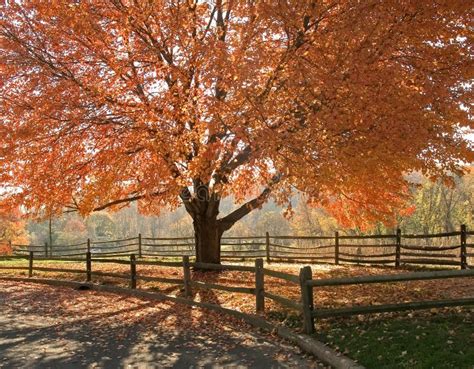
To Autumn (1820) by John Keats
Arguably his most perfect and mature poem. It shows Keats at full imaginative control — serene, sensuous, and without philosophical strain. Many consider it his technical masterpiece.
1 Season of mists and mellow fruitfulness,
2 Close bosom-friend of the maturing sun;
3 Conspiring with him how to load and bless
4 With fruit the vines that round the thatch-eaves run;
5 To bend with apples the moss’d cottage-trees,
6 And fill all fruit with ripeness to the core;
7 To swell the gourd, and plump the hazel shells
8 With a sweet kernel; to set budding more,
9 And still more, later flowers for the bees,
10 Until they think warm days will never cease,
11 For summer has o’er-brimm’d their clammy cells.
12 Who hath not seen thee oft amid thy store?
13 Sometimes whoever seeks abroad may find
14 Thee sitting careless on a granary floor,
15 Thy hair soft-lifted by the winnowing wind;
16 Or on a half-reap’d furrow sound asleep,
17 Drows’d with the fume of poppies, while thy hook
18 Spares the next swath and all its twined flowers:
19 And sometimes like a gleaner thou dost keep
20 Steady thy laden head across a brook;
21 Or by a cider-press, with patient look,
22 Thou watchest the last oozings hours by hours.
23 Where are the songs of Spring? Ay, where are they?
24 Think not of them, thou hast thy music too,—
25 While barred clouds bloom the soft-dying day,
26 And touch the stubble-plains with rosy hue;
27 Then in a wailful choir the small gnats mourn
28 Among the river sallows, borne aloft
29 Or sinking as the light wind lives or dies;
30 And full-grown lambs loud bleat from hilly bourn;
31 Hedge-crickets sing; and now with treble soft
32 The red-breast whistles from a garden-croft,
33 And gathering swallows twitter in the skies.
Commentary:
1 Season of mists and mellow fruitfulness,
2 Close bosom-friend of the maturing sun;
3 Conspiring with him how to load and bless
4 With fruit the vines that round the thatch-eaves run;
Paraphrase:
Autumn is the season full of soft mist and rich, ripening abundance. It is a close companion of the sun as it reaches its peak warmth, working together with it to fill the vines that grow around cottage roofs with plentiful fruit. They seem to plan in harmony, blessing the harvest so that everything reaches full ripeness.
Glossary
• bosom-friend – A very close companion or intimate friend.
• maturing sun – The sun at its strongest or most fully developed point in the season.
• conspiring – Cooperating secretly or in close harmony; here, it’s playful, not sinister.
• thatch-eaves – The edges of a roof covered with thatch (straw or reeds).
Modern connection
Think of autumn as nature’s perfect teamwork: everything from the sun to the plants works together to bring abundance. It reminds us that growth often requires cooperation and timing—just like in communities, projects, or even personal goals.
Deeper significance:
Keats portrays nature as active and purposeful. Autumn isn’t passive; it collaborates with the sun to bring fullness and maturity. This reflects a broader theme in his work: the interconnectedness of forces—life, nature, and time working together to produce beauty and completeness.
5 To bend with apples the moss’d cottage-trees,
6 And fill all fruit with ripeness to the core;
7 To swell the gourd, and plump the hazel shells
8 With a sweet kernel; to set budding more,
Paraphrase:
Autumn bends the trees near cottages so heavily with apples that their branches droop, and it fills every piece of fruit so completely that the inside is perfectly ripe. It swells the gourds and fattens the hazelnuts, making sure their kernels are sweet and full. And even as some fruits reach maturity, autumn encourages more buds to form, promising continued growth.
Glossary
• moss’d cottage-trees – Trees near cottages that are covered or edged with moss, giving a sense of age and natural beauty.
• gourd – A large, typically hollow fruit like pumpkin or squash.
• hazel shells – The hard outer casing of hazelnuts.
• kernel – The edible inner part of a nut or seed.
• set budding – To encourage new growth or formation of buds/flowers.
Modern connection
This is like planning ahead and ensuring abundance: even as one harvest comes in, you nurture future growth. In life, it reminds us to celebrate achievements while still cultivating the next opportunity or project.
Deeper significance:
Keats emphasizes nature’s generosity and continuity. There’s a sense of careful, deliberate abundance, showing that maturity and ripeness aren’t accidental—they are the result of steady nurturing. This mirrors human life: flourishing often comes from attention, patience, and fostering what comes next.
9 And still more, later flowers for the bees,
10 Until they think warm days will never cease,
11 For summer has o’er-brimm’d their clammy cells.
Paraphrase:
Autumn even allows new flowers to bloom later in the season so that the bees always have something to gather nectar from. The abundance is so continuous that the bees might feel as if the warm, productive days will never end. Summer has been so full that it has completely overfilled their sticky, waxy honeycombs.
Glossary
• later flowers – Flowers that bloom after the main flowering season, extending the period of growth.
• bees – Representing both literal pollinators and the productivity of nature.
• clammy cells – The sticky, wax-filled compartments of a bee’s honeycomb; “clammy” here refers to the soft, slightly damp texture.
• o’er-brimm’d – Archaic for “overfilled” or “filled to the brim.”
Modern connection
This is like enjoying a season of plenty and still seeing opportunities for continued productivity. In work or creativity, even when things seem full or successful, there’s often room for more growth if you nurture it.
Deeper significance:
Keats highlights the richness and generosity of nature. The image of bees surrounded by overflowing abundance mirrors a world where effort and harmony yield plentiful rewards. It also subtly reminds us that time and cycles continue, even as one season ends, life finds a way to keep creating and sustaining.
12 Who hath not seen thee oft amid thy store?
13 Sometimes whoever seeks abroad may find
14 Thee sitting careless on a granary floor,
15 Thy hair soft-lifted by the winnowing wind;
Paraphrase:
Who hasn’t often seen you, Autumn, surrounded by your plentiful harvest? Sometimes, if someone goes out into the fields, they might find you resting casually on the floor of a granary, your hair gently lifted and tousled by the wind used for winnowing grain.
Glossary
• amid thy store – Surrounded by the season’s abundant crops and produce.
• granary – A storage place for harvested grain.
• winnowing wind – The air or wind used to separate grain from chaff during harvesting; also refers to the natural breeze in this context.
• soft-lifted – Gently raised or tousled.
Modern connection
Autumn here feels almost human, relaxed and at ease amid the fruits of its labor. It’s like catching someone enjoying the results of their hard work, a reminder to take time to rest and appreciate what we’ve cultivated.
Deeper significance:
Keats personifies autumn as both bountiful and serene, showing that abundance is not only productive but also calm and reflective. The wind lifting the hair adds a delicate, intimate touch, linking the grand seasonal cycle to gentle, tangible moments of life.
16 Or on a half-reap’d furrow sound asleep,
17 Drows’d with the fume of poppies, while thy hook
18 Spares the next swath and all its twined flowers:
19 And sometimes like a gleaner thou dost keep
20 Steady thy laden head across a brook;
21 Or by a cider-press, with patient look,
22 Thou watchest the last oozings hours by hours.
Paraphrase:
Or Autumn might be found napping on a partially harvested field, made drowsy by the scent of poppies, while letting the next row of crops and its intertwined flowers remain untouched. At other times, Autumn is like a careful gleaner, keeping a steady balance as it carries its heavy load across a stream. Or it might be standing patiently by a cider-press, watching slowly as the last drops of juice trickle out, hour after hour.
Glossary
• half-reap’d furrow – A row in a field that has been only partially harvested.
• drows’d – Made sleepy or lethargic.
• fume of poppies – The scent of poppy flowers, which can induce drowsiness.
• hook – The harvesting sickle used to cut grain.
• swath – A strip of land cut by a scythe or sickle.
• twined flowers – Flowers that are intertwined with the crops.
• gleaner – Someone who collects leftover crops from a field after the main harvest.
• laden – Carrying a heavy load.
• oozings – The slow dripping or flowing out of liquid, here referring to cider from crushed apples.
Modern connection
Autumn’s actions are careful, deliberate, and patient—like someone fully engaged in nurturing or finishing their work. It reminds us that progress isn’t always about speed; sometimes the beauty and success of a process come from patience and attention to detail.
Deeper significance:
Keats shows that even abundance requires care and moderation. Autumn’s personification as a sleepy, careful worker emphasizes the balance between activity and rest, productivity and observation. It underscores the quiet diligence in nature, suggesting that the cycles of life and growth are both persistent and tender.
23 Where are the songs of Spring? Ay, where are they?
24 Think not of them, thou hast thy music too,—
25 While barred clouds bloom the soft-dying day,
26 And touch the stubble-plains with rosy hue;
27 Then in a wailful choir the small gnats mourn
28 Among the river sallows, borne aloft
29 Or sinking as the light wind lives or dies;
Paraphrase:
“Where have the songs of spring gone?” you might ask. Don’t worry about them—Autumn has its own music. As the day gently fades, streaked clouds glow like flowers, casting a soft pink light across the harvested fields. Tiny gnats form a mournful little choir along the willows by the river, drifting upward or sinking down as the gentle wind rises and falls.
Glossary
• stubble-plains – Fields left with short stalks after the main crop has been harvested.
• barred clouds – Clouds streaked or lined with bands of color.
• soft-dying day – The gentle fading of daylight; sunset.
• wailful choir – A group producing a sad, mournful sound.
• river sallows – Willows or sallow trees growing along the riverbank.
• borne aloft – Carried upward by the wind.
Modern connection
Even as seasons change, each period has its own beauty and rhythm. Autumn reminds us that life’s transitions come with their own unique music and moods, and that we can appreciate the present rather than longing only for the past.
Deeper significance:
Keats emphasizes the continuity of natural cycles. Spring’s exuberance is gone, but Autumn has its own distinct song. The imagery of fading light, gnats, and gentle winds shows that life’s beauty persists in every stage, even in quiet or melancholy moments. It’s a meditation on finding richness and meaning in the present.
30 And full-grown lambs loud bleat from hilly bourn;
31 Hedge-crickets sing; and now with treble soft
32 The red-breast whistles from a garden-croft,
33 And gathering swallows twitter in the skies.
Paraphrase:
Fully grown lambs call out loudly from the hills. Hedge-crickets chirp among the hedges, and the robin now sings softly with a high-pitched voice from the garden. Meanwhile, swallows gather and chatter as they fly across the skies. Autumn is alive with its own rich chorus of sounds.
Glossary
• hilly bourn – Small hills or streams; “bourn” can mean a small boundary or brook.
• treble soft – A soft, high-pitched sound (like a soprano or the higher range of birdsong).
• red-breast – Another name for a robin, known for its melodious song.
• garden-croft – A small enclosed garden plot or yard.
• twitter – The light, high-pitched sounds of birds in flight.
Modern connection
This reminds us that every season has its own soundtrack, full of energy and life, even as the year winds down. It encourages noticing the smaller, everyday details—the sounds, movements, and rhythms around us—that create richness in life.
Deeper significance:
Keats portrays Autumn as vibrantly alive, countering any notion that it is a quiet or declining season. The combination of animals and birdsong highlights the harmony of natural life, showing that even as some things mature or end, the world continues to hum with activity. It reflects a philosophy of finding joy and meaning in the present moment.
Brief summary of the entire poem
To Autumn is a lyrical celebration of the season of autumn, portraying it as abundantly fruitful, harmonious, and alive with both growth and decline.
Keats personifies the season as a gentle, patient, and diligent being, working in tandem with the sun to ripen fruits, swell gourds, and nurture flowers and bees. The poem moves from visual imagery of ripened crops to sounds of nature—gnats, lambs, birds, and swallows—creating a rich sensory tapestry.
Unlike spring, which symbolizes new beginnings, autumn represents maturity, fulfillment, and the quiet beauty of natural cycles. It balances observation and reflection, showing that even as summer fades, life continues with its own music, abundance, and harmony.
Key Themes:
-
Maturity and fulfillment – Autumn as a season of completeness and ripeness.
-
Harmony and cooperation in nature – Sun, crops, animals, and wind all working together.
-
The beauty of cycles – Growth, ripeness, decline, and preparation for the next stage.
-
Sensory richness – Sight, sound, and smell are celebrated in detail.
-
Quiet celebration of the present – Emphasis on mindfulness and appreciation of the current season rather than longing for spring.
|